Freeze Miser Tractor Supply: A Comprehensive Review
Frozen pipes and troughs pose significant challenges for farmers and ranchers, leading to costly repairs, animal welfare concerns, and operational disruptions. The Freeze Miser, available at Tractor Supply, aims to mitigate these issues by automatically regulating water flow to prevent freezing. This review analyzes user feedback, operational mechanism, environmental impact, cost-effectiveness, and overall value to provide a balanced assessment for informed decision-making.
How the Freeze Miser Works: Simple, Yet Effective Technology
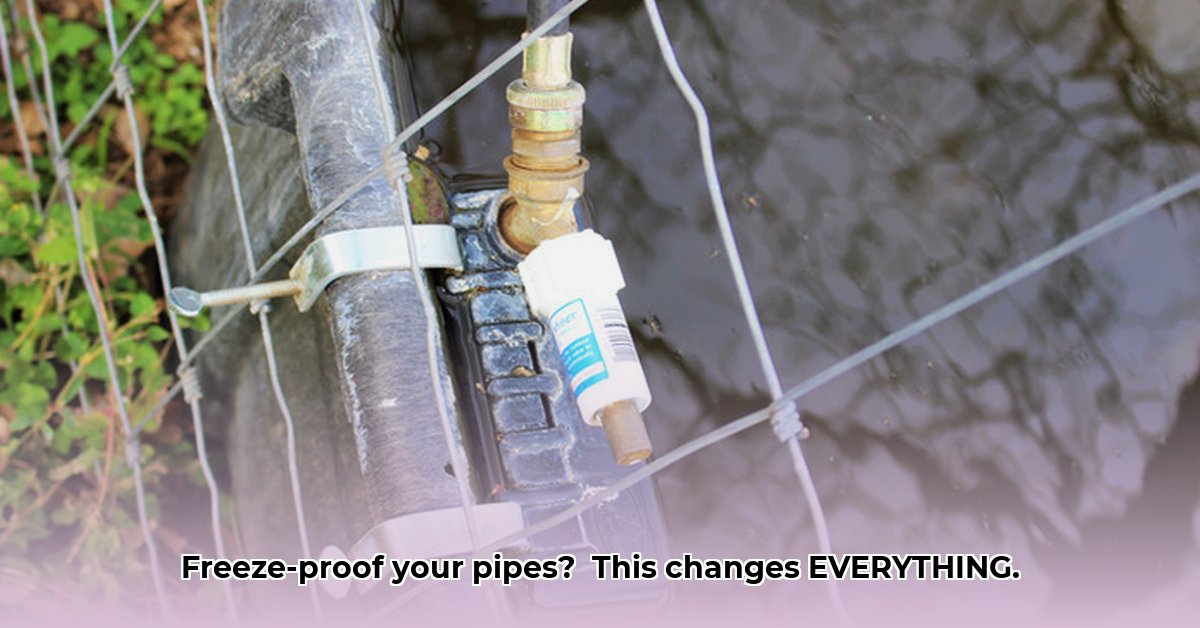
The Freeze Miser employs a straightforward, temperature-sensitive valve system. When temperatures fall below freezing, the valve restricts water flow, preventing ice formation. As temperatures rise, the valve automatically reopens, restoring normal water flow. This simple yet effective mechanism requires minimal maintenance and eliminates the need for complex programming or constant adjustments.
Freeze Miser: User Reviews and Performance Analysis
User experiences with the Freeze Miser are mixed, highlighting the need for further investigation into its performance reliability. While many users report successful freeze prevention, particularly in milder climates, some have experienced malfunctions or compatibility issues.
- Effectiveness in Different Climates: Positive feedback is largely concentrated in regions with milder winters. Reports from areas experiencing extreme cold are inconsistent, suggesting further testing is needed to assess its effectiveness in sub-zero temperatures.
- Compatibility Issues: A small percentage of users reported difficulties related to compatibility with existing plumbing systems. These instances, though infrequent, underscore areas needing improvement or better compatibility guidelines.
- Water Savings: Many users reported significant water savings due to the prevention of water waste from frozen pipes or troughs. However, more rigorous, quantitative data is required to quantify these savings definitively.
A more comprehensive dataset across various climates and plumbing setups is crucial for a thorough assessment of its overall effectiveness. Currently, a definitive statement on its broad effectiveness cannot be made.
Sustainability Assessment: Environmental Impact of Freeze Miser
The Freeze Miser's environmental impact requires further analysis. While water conservation is a definite benefit, the manufacturing process and end-of-life disposal methods need scrutiny. Data regarding the sustainability of the device's materials and potential for recycling are currently insufficient for a complete environmental impact assessment. The absence of this information precludes a conclusive statement on its environmental friendliness.
Cost-Effectiveness Analysis: Freeze Miser vs. Alternatives
Determining the Freeze Miser's cost-effectiveness requires comparing it to traditional solutions like heated troughs and insulated pipes. While the initial investment for the Freeze Miser might be moderate, its long-term cost savings depend on several factors: its longevity, maintenance requirements, and the extent of water savings achieved. This comparison requires a detailed cost-benefit analysis, incorporating the lifespan and upkeep of each system. Currently, a conclusive cost-effectiveness comparison cannot be made due to the lack of sufficient long-term data on the Freeze Miser's lifespan and maintenance costs.
Actionable Insights: Key Findings and Recommendations
The Freeze Miser shows potential in mitigating frozen water pipes and troughs. However, its overall performance, long-term durability, environmental friendliness, and cost-effectiveness remain partially unproven. Further independent testing under varied conditions and expanded user feedback is critical for determining its suitability across diverse climates and applications.
Frequently Asked Questions (FAQs)
- Q: Will the Freeze Miser work in my climate? A: While reported effective in diverse locations, its performance under extremely cold conditions requires more testing. Consult the manufacturer's guidelines and consider your specific climate.
- Q: Is the Freeze Miser compatible with my plumbing system? A: Review the manufacturer's compatibility information. Some adjustments might be necessary.
- Q: What is the Freeze Miser's lifespan? A: The device's longevity requires further long-term evaluation.
Risk Assessment Summary
| Component | Risk Factor | Probability | Impact | Mitigation Strategy |
|---|---|---|---|---|
| Device Functionality | Malfunction/Failure | Low | Medium | Robust quality control, readily accessible technical support. |
| Plumbing Compatibility | Incompatibility | Medium | Low | Comprehensive compatibility guidelines and adapter development. |
| Environmental Impact | Unsustainable materials | Low | Medium | Life cycle assessment, exploration of eco-friendly manufacturing. |
| Long-Term Durability | Component Degradation | Medium | Medium | Rigorous field testing, clear maintenance recommendations. |
| Water Conservation | Inconsistent water usage | Low | Low | Device optimization for efficient water flow regulation. |
Conclusion: The Freeze Miser presents a plausible solution to the problem of frozen water lines for livestock, especially in moderate climates. However, critical data gaps remain. Further testing is necessary to fully understand its capabilities and limitations, and a comprehensive cost-benefit analysis is needed to fully weigh its value. Farmers and ranchers should carefully consider their specific needs and climate conditions before making a purchase decision.